How Provisioning Works on a Multi-Day Yacht Charter: 5 Steps
How provisioning works on a multi-day crewed yacht charter, from dietary briefings and menu drafts to stocking in Antibes, Mahón or the Cyclades. Learn the five steps that shape the galley before you board.
How provisioning works on a multi-day crewed yacht charter comes down to one principle: the galley is stocked to your briefing, not to a generic template. Before you step aboard, you share menus, allergies and preferences through your broker. The crew then sources and loads food, drinks and fresh supplies, usually paid from the advance provisioning allowance (APA). Here is the sequence, from the first dietary briefing to the last restock in port.
How does provisioning work on a multi-day crewed yacht charter?
On a crewed charter, the captain and crew handle the shopping, not you. Your broker passes on a preference sheet, the crew builds menus around it, buys ingredients in the departure port and loads them before check-in. On a multi-day itinerary it is rarely one big shop. Perishables such as fish, herbs and bread are topped up en route, while wine, spirits, water and pantry items are usually loaded once at the start. A week from Antibes to Porto Cervo needs a different rhythm from three nights around Mykonos and Paros, simply because of where reliable markets sit along the route.
What goes into a dietary briefing before you board?
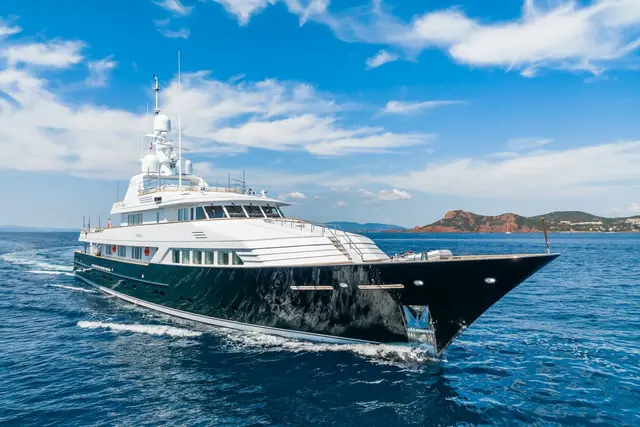
The briefing is the most useful document you can give a crew. Cover allergies and intolerances first (nuts, shellfish, gluten, lactose) and label each as medical or as preference, because a galley treats the two differently. Then add religious or ethical requirements, children's meals, preferred breakfast times and how formal you want dinners to be. Drinks deserve their own page: favourite wines, spirits, champagne, non-alcoholic options and coffee style. State the true headcount, including children, against the yacht's guest capacity. Emerald, at 50m, is listed for 12 guests, and quantities are scaled from the number you confirm. A list of dislikes helps more than words like light or Mediterranean.
5 steps from first menu draft to a stocked galley
Most well-run charters follow the same order, whatever the yacht or the coastline.
- Send the preference sheet. Share allergies, headcount, ages, drinks and meal timing through your broker as early as your plans allow. Late changes are possible, but fresh and specialist items need more notice.
- Review the draft menus. The crew proposes sample menus for the days you will be aboard. Strike what you dislike and flag any day when you want to eat ashore.
- Agree the shopping scope. Confirm what is bought in advance: wines, champagne, branded spirits, specialist ingredients. Anything unusual should be named, not assumed.
- Let the crew source and load. Supplies are bought in or near the departure port and stowed before you arrive, so the first lunch matches the plan.
- Restock along the route. Fish, bread, fruit and ice are replenished at suitable ports mid-trip, and the menu adjusts to what is good that week.
Where does the stocking happen: Antibes, Mahón or the Cyclades?
The departure port shapes the first shop. In Antibes or Port Hercule in Monaco, the Riviera's markets and specialist suppliers are close to the quay. In the Balearics, crews typically stock up in Marina Ibiza or Mahón on Menorca. Formentera is a smaller island, so heavy provisioning is best done before the crossing. In Greece, departures from Alimos Marina near Athens allow a full load before the Cyclades, where Mykonos town and Naoussa on Paros are good for topping up fresh produce and fish. Along the Amalfi Coast, Capri and Positano suit short restocks, though larger loads are easier at the start. Browse our destination guides to match a port with your route.
How do cross-border hops change the shopping list?
A week that crosses from France into Italy, or from Italy towards Greece, adds a layer of planning. The captain handles clearance formalities, and food, alcohol and fresh produce may be treated differently from one country to the next, so the crew plans stock and paperwork with that in mind. Rules depend on the flag and the countries involved, so confirm specifics with your captain rather than relying on general advice. Weather matters too. Strong summer winds in the Aegean can change an anchorage and shift the day you reach a market. Good crews keep a buffer of long-life items so a rerouted day never empties the table.
Who pays for provisions, and what is the APA?
The base charter fee usually covers the yacht and crew. Fuel, provisions, port fees and similar running costs are typically covered by the APA, an advance paid on top of the fee and set out in your contract. The crew spends against it and shares receipts, and any unspent balance is reconciled at the end, according to the agreed terms. Ask your broker how the APA is calculated for your yacht and route, and what falls inside it. Premium wines and specialist requests can move the total, so naming them early keeps the numbers transparent. You can compare vessels and guest capacities when you browse our fleet.
Plan your charter
Good provisioning on a multi-day yacht charter is mostly invisible. It shows in the breakfast that matches the briefing, the fish bought that morning in Mykonos, the champagne that was already chilling when you stepped aboard. Choosing the yacht and the route is only half the story, because the table is shaped just as carefully. Read our itinerary ideas, picture the days you want, and the menus start to write themselves.